Your home should feel like a place that works for your life, not a space that forces you to adapt to outdated layouts, limited storage, or worn finishes. Sometimes, even a few thoughtful changes can make an older home feel completely different. Other times, a larger renovation can transform several rooms and improve how the entire property functions. Home remodeling provides an opportunity to create spaces that are more comfortable, practical, attractive, and suited to changing needs. With careful planning and the right ideas, homeowners can make meaningful improvements without losing the character that makes their home feel personal. Visit Website for more details.
Create an Open and Functional Floor Plan
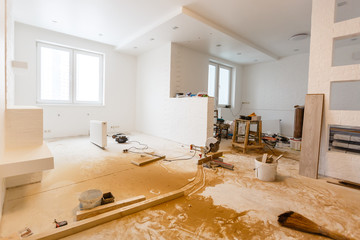
One of the most impactful home remodeling ideas is improving the layout. Older homes may have separate rooms that make the interior feel closed off or difficult to navigate. Removing or modifying certain walls can create a more open connection between living, dining, and kitchen areas. A more open arrangement can also allow natural light to travel farther throughout the home, making rooms feel brighter and more spacious.
However, an open floor plan should be designed around how the household actually uses the space. Completely removing walls is not always necessary or practical. Partial openings, wider doorways, or strategically placed partitions can provide some of the benefits of an open layout while maintaining useful separation. Before changing walls, homeowners should determine whether they are structural and consider the location of plumbing, wiring, and other important systems.
Upgrade the Kitchen for Better Functionality
The kitchen is often one of the most valuable areas to remodel because it plays such an important role in daily life. Updating cabinets, countertops, flooring, lighting, and appliances can create a noticeable transformation. Homeowners can also rethink the kitchen layout to make cooking, cleaning, and storage more convenient. Even a modest kitchen can become more functional with thoughtful organization and efficient use of available space.
Cabinet improvements can make a particularly strong visual impact. Existing cabinets may be refinished or painted if they remain structurally sound, while severely outdated units may be replaced. Adding better drawer storage, pull-out shelves, and specialized organizers can also make everyday tasks easier. Countertops and backsplashes can then be selected to complement the cabinetry and create a cohesive design.
Transform the Bathroom
Bathrooms can benefit from both cosmetic improvements and functional remodeling. Replacing an outdated vanity, upgrading the shower, installing new flooring, or improving lighting can make the room feel cleaner and more comfortable. A bathroom renovation can also address problems such as insufficient storage, poor ventilation, worn surfaces, and inefficient layouts.
For smaller bathrooms, space-saving design can make a major difference. Wall-mounted vanities, recessed storage, large mirrors, and glass shower enclosures can create the impression of greater openness. Light colors and carefully positioned lighting can further brighten the room. Larger bathrooms may have room for features such as a freestanding bathtub, spacious shower, double vanity, or additional storage.
Refresh the Living Room
The living room is often one of the most frequently used areas of a home, making it a good candidate for remodeling. Changing the flooring, lighting, wall finishes, built-in storage, or fireplace area can dramatically alter the atmosphere. A remodeled living room should provide enough space for comfortable seating while supporting activities such as relaxing, entertaining, reading, or watching television.
Built-in storage can be especially useful when remodeling a living room. Shelving and cabinets can provide places for books, electronics, decorative items, and other belongings while reducing visible clutter. The design should be carefully balanced so that storage does not overwhelm the room. A combination of closed cabinets and open shelving can provide both practical storage and opportunities for decoration.
Improve Bedroom Comfort and Storage
Bedrooms should provide a comfortable environment for rest and relaxation. Remodeling can improve the room through better lighting, flooring, storage, insulation, and layout. Built-in wardrobes or custom storage can make better use of available space while reducing the need for large standalone furniture.
Lighting is another important consideration. Layered lighting can provide general illumination while also allowing homeowners to create a softer atmosphere in the evening. Additional outlets and convenient switches can also improve functionality. Choosing calm colors and comfortable materials can help create a bedroom that feels peaceful and inviting.
Create a Dedicated Home Office
As work and study habits change, a dedicated home office can become a valuable addition. A spare bedroom, unused corner, or section of a larger room can sometimes be converted into a productive workspace. Built-in shelving, a comfortable desk, appropriate lighting, and organized storage can make the area more efficient.
A home office should be designed with both comfort and concentration in mind. Natural light can make the space feel more pleasant, while task lighting can reduce eye strain during detailed work. Cable management and concealed storage can help maintain a clean appearance. If the space needs to serve multiple purposes, flexible furniture can allow it to transition between work, study, and other activities.
Improve Entryways and Mudrooms
The entryway creates the first impression of a home and can also become one of its most functional areas. Remodeling this space can provide better storage for shoes, coats, bags, and everyday belongings. Built-in benches, hooks, cabinets, and shelving can help keep clutter under control.
A dedicated mudroom can provide even more storage when space allows. Durable flooring and easy-to-clean surfaces are particularly useful in areas that receive heavy daily traffic. Good lighting can also make the entryway safer and more welcoming. A well-designed entrance combines practical organization with a style that complements the rest of the home.
Upgrade Flooring Throughout the Home
Replacing old flooring is another effective remodeling idea. Worn carpet, damaged wood, outdated tile, or uneven surfaces can make an otherwise attractive home feel tired. New flooring can provide a consistent foundation for an updated interior design while improving durability and comfort.
The right flooring depends on the needs of each room. Durable surfaces may be appropriate for high-traffic areas, while softer materials can create a more comfortable feeling in bedrooms and living spaces. Homeowners should consider maintenance requirements, moisture exposure, household activity, and overall design when selecting flooring. Coordinating flooring across connected areas can also make the home feel more unified.
Add More Natural Light
Natural light can dramatically change the appearance of an interior. During remodeling, homeowners can consider ways to increase daylight through larger windows, additional openings, glass doors, or skylights where appropriate. More natural light can make rooms feel brighter and more spacious while reducing the need for artificial lighting during the day.
Window treatments should also be considered because they affect how much light enters a room. Light-filtering options can provide privacy while still allowing daylight into the space. Mirrors and reflective surfaces can further help distribute available light. A thoughtful approach to natural illumination can make remodeled rooms feel more open and welcoming.
Create Better Outdoor Living Spaces
Home remodeling does not have to stop at the interior. Outdoor areas can become extensions of the living space through the addition or improvement of patios, decks, covered seating areas, or outdoor kitchens. These spaces can provide areas for relaxing, dining, entertaining, or spending time with family.
Comfort should be considered when designing an outdoor living area. Shade, appropriate lighting, durable materials, and comfortable seating can make the space more useful. The design should also connect naturally with the interior of the home. Consistent colors and materials can create a smooth visual transition between indoor and outdoor spaces.
Upgrade Energy Efficiency
Remodeling can also provide an opportunity to improve energy efficiency. Better insulation, updated windows, improved ventilation, efficient lighting, and modern appliances can contribute to lower energy consumption and greater comfort. These improvements may not always create the most dramatic visual transformation, but they can provide long-term benefits.
Energy-efficient upgrades should be considered alongside the home’s existing systems. Improving insulation may help maintain more consistent indoor temperatures, while efficient windows can reduce unwanted heat transfer. Lighting upgrades can also improve illumination while using less energy. Combining practical efficiency improvements with cosmetic remodeling can make the investment more valuable.
Add Personalized Design Details
The best home remodeling projects reflect the personality and lifestyle of the people who live there. Personalized details can include custom cabinetry, unique lighting fixtures, accent walls, built-in shelving, distinctive hardware, or carefully selected decorative materials. These elements can make remodeled rooms feel more individual rather than generic.
Personalization should still be balanced with practicality. Design choices should be attractive but also easy to maintain and appropriate for everyday use. Homeowners should consider how the space may evolve over time as their needs change. A flexible design can provide room for future adjustments without requiring another major renovation.
Final Thoughts
Home remodeling offers countless opportunities to improve comfort, functionality, appearance, and long-term value. Whether the project focuses on a single room or involves several areas of the home, thoughtful planning is essential. Kitchen upgrades, bathroom improvements, better storage, updated flooring, brighter interiors, outdoor living spaces, and energy-efficient features can all contribute to a more enjoyable home. The most successful remodeling ideas are those that combine personal style with practical solutions for everyday life. By understanding the needs of the household and planning each improvement carefully, homeowners can create a home that feels more comfortable, functional, and welcoming for years to come.