Keeping a home free from unwanted pests is an important part of protecting both the property and the people living in it. Insects and rodents can damage building materials, contaminate food, create unpleasant living conditions, and even pose health risks if infestations are left untreated. Fortunately, homeowners have several pest control options available depending on the type of pest, the severity of the infestation, and their long-term goals. Some methods focus on eliminating active pest populations, while others are designed to prevent future infestations before they begin. Understanding the different pest control options helps homeowners choose the most effective strategy for maintaining a safe, comfortable, and pest-free home. Click Here to learn more.
What Are the Different Pest Control Options?
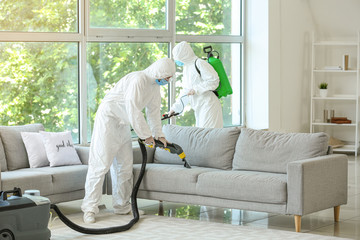
There are several approaches to pest control, and each serves a different purpose depending on the situation. Some methods are designed to eliminate active infestations, while others focus on preventing pests from entering the property in the first place. Professional pest management often combines inspection, monitoring, treatment, and preventative measures to create a long-term solution rather than relying on a single method. Choosing the right approach depends on the type of pest, the size of the infestation, and the property’s overall condition. Every pest problem requires an individualized solution.
Many homeowners begin with simple preventive measures before moving to more advanced treatments if necessary. Keeping the home clean, sealing entry points, removing standing water, and storing food properly can reduce conditions that attract pests. When these efforts are combined with professional inspections and targeted treatments, homeowners often achieve more reliable long-term results. Prevention remains one of the most effective pest management strategies. Addressing the causes of infestations helps reduce recurring problems.
How Does Preventive Pest Control Work?
Preventive pest control focuses on stopping pests before they establish themselves inside the home. Rather than waiting until insects or rodents become visible, homeowners take proactive steps to reduce the conditions that attract unwanted pests. This may include sealing cracks around windows and doors, repairing damaged screens, maintaining proper drainage, and trimming vegetation away from the home’s exterior. These improvements make it more difficult for pests to enter or survive on the property. Prevention creates a stronger first line of defense.
Routine inspections are another important part of preventive pest control. Regular evaluations help identify moisture problems, structural openings, nesting activity, and other conditions that could lead to future infestations. Detecting these issues early allows homeowners to correct them before pest populations become established. Preventive maintenance often reduces the need for larger treatments later. Ongoing monitoring supports year-round protection.
When Are Chemical Pest Control Treatments Appropriate?
Chemical treatments remain one of the most commonly used pest control options for managing active infestations. Modern treatment products are designed to target specific pests while being applied strategically in areas where pest activity has been identified. Depending on the situation, treatments may involve liquid applications, bait stations, dust formulations, or carefully placed gels that address the infestation directly. Selecting the appropriate product depends on the pest species and the conditions within the property. Proper application improves treatment effectiveness.
Professional treatment plans often use chemical products as only one part of a broader pest management strategy. Simply applying pesticides without addressing food sources, moisture issues, or entry points may result in recurring infestations. Combining targeted treatments with preventative maintenance produces more sustainable results. Professional inspections help determine whether chemical treatments are appropriate for the specific situation. Integrated solutions generally provide better long-term outcomes.
Are Eco-Friendly Pest Control Options Effective?
Eco-friendly pest control has become an increasingly popular choice for homeowners seeking environmentally responsible solutions. These programs often focus on reducing unnecessary pesticide use while emphasizing prevention, exclusion, monitoring, and carefully targeted treatments. Rather than relying exclusively on chemical applications, environmentally conscious pest control aims to remove the conditions that allow pests to thrive. This balanced approach supports long-term pest management while reducing environmental impact. Sustainable practices continue gaining popularity.
Many eco-friendly pest control programs follow the principles of integrated pest management, which combines multiple treatment methods according to the property’s specific needs. Physical barriers, sanitation improvements, habitat modification, and low-impact treatment products all contribute to successful pest management. The effectiveness of eco-friendly methods depends on the type of pest and the severity of the infestation. Professional guidance helps determine the most appropriate strategy. Responsible pest management balances effectiveness with environmental awareness.
What Role Do Traps and Baits Play in Pest Control?
Traps and bait systems are valuable pest control options for managing certain insects and rodents. These methods allow technicians or homeowners to target pests directly while monitoring activity levels throughout the treatment process. Rodent traps, ant bait stations, and cockroach bait systems are commonly used because they encourage pests to interact with the treatment rather than relying solely on surface applications. Proper placement significantly influences their effectiveness. Strategic positioning improves treatment success.
Monitoring devices also provide useful information about pest populations before and after treatment. Regular inspections of bait stations and traps help determine whether pest activity is increasing, decreasing, or remaining stable. This information allows treatment plans to be adjusted as needed to improve long-term control. Traps and baits often work most effectively when combined with sanitation improvements and exclusion techniques. Multiple strategies generally provide stronger protection than any single method alone.
How Can Homeowners Choose the Right Pest Control Option?
Selecting the best pest control option begins with identifying the type of pest involved. Different insects and rodents require different treatment methods because their behaviors, nesting habits, and life cycles vary considerably. Attempting to use the wrong treatment may reduce effectiveness while allowing the infestation to continue growing. Accurate pest identification is one of the most important parts of successful pest management. Understanding the specific problem leads to better solutions.
Homeowners should also consider the size of the infestation, the age and condition of the property, and whether the pest problem is isolated or recurring. Minor issues may respond well to preventive measures and targeted treatment, while larger infestations often require comprehensive management plans with follow-up visits. Discussing treatment options with a qualified pest management professional helps homeowners understand the advantages of each available approach. Careful evaluation supports informed decision-making. Every property benefits from a customized treatment plan.
Why Is Professional Pest Control Often the Best Option?
Professional pest control provides homeowners with access to specialized knowledge, detailed inspections, and treatment plans tailored to the property’s unique conditions. Rather than focusing only on visible pests, professionals identify nesting sites, entry points, moisture problems, and environmental factors that contribute to infestations. Addressing these underlying causes helps reduce the likelihood of recurring pest problems. Professional expertise supports more complete pest management. Long-term prevention remains a primary objective.
Experienced technicians also understand how different pest species behave throughout the year and can adjust treatment strategies accordingly. Seasonal inspections allow preventative measures to be refreshed before pest activity increases. Professional monitoring helps ensure treatments remain effective while adapting to changing conditions. Homeowners benefit from both immediate pest reduction and ongoing protection against future infestations. Comprehensive service often provides greater value than temporary solutions.
Final Thoughts
Choosing the right pest control options depends on the type of pest, the severity of the infestation, and the homeowner’s long-term goals. Preventive maintenance, targeted treatments, eco-friendly methods, traps, bait systems, and professional inspections all play valuable roles in protecting a home from unwanted pests. While some situations may be managed with simple preventative measures, larger or recurring infestations often require a more comprehensive approach. By understanding the available pest control options and addressing pest problems early, homeowners can protect their property, maintain a healthier living environment, and reduce the likelihood of future infestations.
