Cabinet Refinishing

How Durable Is Cabinet Refinishing? Everything Homeowners Should Know

Kitchen cabinets are among the hardest working features in any home. They are opened and closed countless times every day, exposed to grease, steam, moisture, fingerprints, and the occasional accidental bump from cookware or utensils. Because of this constant use, many homeowners wonder whether cabinet refinishing can truly stand the test of time or if replacement is the only long-term solution. The good news is that a properly refinished cabinet can remain attractive and durable for many years when the right preparation, materials, and maintenance practices are used. Understanding what affects the durability of San Jose Cabinet Refinishing helps homeowners make confident decisions while protecting one of the most noticeable features in their kitchen.

What Is Cabinet Refinishing?
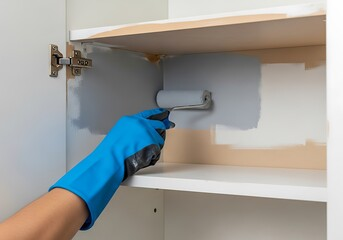
Cabinet Refinishing

Cabinet refinishing is the process of restoring the appearance of existing cabinets without replacing the cabinet boxes or changing the overall layout of the kitchen. Instead of installing entirely new cabinetry, the existing cabinet surfaces are carefully cleaned, prepared, and coated with new finishes that improve both appearance and protection. This approach allows homeowners to modernize outdated cabinets while preserving cabinets that remain structurally sound. Refinishing focuses on enhancing the visible surfaces while extending the useful life of the cabinetry.

Unlike cabinet replacement, refinishing makes use of the existing framework, reducing both renovation time and material waste. The process is especially effective for cabinets that have become faded, scratched, or visually outdated but still function properly. Because the cabinet structure remains intact, homeowners can enjoy a dramatic visual transformation without the disruption of a complete kitchen remodel. A well-executed refinishing project combines cosmetic improvement with long-term practicality.

How Long Does Cabinet Refinishing Typically Last?

The durability of cabinet refinishing depends on several factors, including the quality of preparation, the condition of the cabinets, the materials used during refinishing, and the way the cabinets are maintained afterward. In many homes, professionally refinished cabinets can maintain their appearance for well over a decade when they receive proper care. Since kitchens experience daily wear, it is normal for cabinets to develop minor signs of use over time, but a durable finish continues protecting the surface even with regular activity. Longevity is closely tied to how well the refinishing process is completed from the very beginning.

Daily household habits also influence how long refinished cabinets remain in excellent condition. Kitchens with heavy cooking activity naturally expose cabinets to greater amounts of grease, moisture, and frequent handling. Homes with young children may experience additional wear from constant opening and closing of cabinet doors. Even under these conditions, refinished cabinets can continue looking attractive when cleaned regularly and treated with reasonable care. Consistent maintenance helps preserve both appearance and performance throughout the life of the finish.

What Factors Affect the Durability of Cabinet Refinishing?

Proper surface preparation is one of the most important factors affecting durability. Cabinets naturally accumulate cooking oils, grease, dust, and cleaning product residue over many years of use. If these contaminants are not removed thoroughly before refinishing begins, the new finish may not bond properly to the existing surface. Careful cleaning and preparation create a stable foundation that allows the finish to adhere securely. Strong adhesion significantly reduces the likelihood of peeling, chipping, or premature wear.

The condition of the existing cabinets also plays an important role. Cabinets that remain structurally sound with secure doors and stable surfaces generally provide an excellent foundation for refinishing. On the other hand, cabinets affected by severe water damage, loose joints, swelling, or structural deterioration may experience reduced durability even if the finish itself performs well. Evaluating the condition of the cabinetry before refinishing helps establish realistic expectations. A strong cabinet structure supports a longer-lasting finished result.

Can Refinished Cabinets Handle Everyday Kitchen Use?

Refinished cabinets are designed to withstand the normal demands of everyday kitchen life. Opening and closing doors, handling drawers, preparing meals, and cleaning surfaces are all routine activities that properly refinished cabinets are expected to endure. Modern refinishing systems are developed to provide durable protective coatings that resist ordinary household wear while maintaining an attractive appearance. Although no finish is completely immune to damage, refinished cabinets perform well under normal residential use.

Certain areas naturally experience greater wear than others. Cabinet doors beneath sinks, drawers used for utensils, and cabinets surrounding cooking appliances often receive more frequent handling and greater exposure to moisture or grease. Even so, these high-use areas can remain attractive for many years when cleaned regularly and used responsibly. Avoiding unnecessary impacts and handling cabinets with care contributes to longer-lasting performance. Daily habits often influence durability just as much as the refinishing materials themselves.

How Can Homeowners Make Refinished Cabinets Last Longer?

Routine cleaning is one of the simplest ways to preserve refinished cabinets. Dust, cooking residue, grease, and fingerprints should be removed regularly using soft cloths and gentle cleaning products. Abrasive scrubbers and harsh chemical cleaners should be avoided because they may gradually wear away the protective finish. Consistent cleaning prevents buildup that could eventually dull the cabinet surface. Gentle maintenance helps preserve both appearance and durability over many years.

Moisture control is equally important because kitchens naturally generate humidity from cooking, dishwashing, and everyday use. Water spills should be wiped away promptly, particularly around sinks, dishwashers, and countertops where cabinets are exposed to frequent moisture. Good ventilation during cooking also helps reduce prolonged exposure to steam. Homeowners should avoid allowing standing water to remain on cabinet surfaces because excessive moisture may eventually affect both the finish and the cabinet material beneath it. Simple preventive habits contribute significantly to long-term durability.

Is Cabinet Refinishing More Durable Than Cabinet Painting?

Although the terms are sometimes used interchangeably, cabinet refinishing generally involves a more comprehensive process than simply applying a new coat of paint. Refinishing emphasizes careful surface preparation, repair of imperfections when necessary, and the application of finishes designed specifically for cabinetry. This thorough approach often results in stronger adhesion and improved durability compared with projects where paint is applied without adequate preparation. The additional attention given during refinishing helps create a finish capable of withstanding everyday kitchen conditions.

The success of either process ultimately depends on the quality of the preparation and application rather than the name used to describe the project. Cabinets that receive proper cleaning, careful preparation, and suitable finishing materials generally perform better over time than projects completed without sufficient attention to detail. Regardless of terminology, investing time in preparation usually has the greatest impact on long-term durability. A well-executed refinishing project provides lasting protection alongside improved appearance.

When Should Cabinets Be Refinished Instead of Replaced?

Refinishing is often the ideal solution when cabinets remain structurally sound but have become outdated or cosmetically worn. Scratches, fading, minor surface imperfections, and aging finishes can often be corrected successfully without replacing the cabinet boxes. Homeowners who are satisfied with the existing kitchen layout frequently choose refinishing because it allows them to modernize the room while preserving functional cabinetry. This approach combines visual improvement with efficient use of existing materials.

Replacement becomes more appropriate when cabinets have experienced severe structural damage, widespread water deterioration, or significant design limitations that refinishing cannot solve. If cabinet boxes are unstable or storage needs require a completely different layout, installing new cabinetry may provide greater long-term value. Carefully evaluating both the condition of the cabinets and future renovation goals helps determine which option offers the most practical solution. Making the right choice ensures homeowners receive the greatest benefit from their investment.

Final Thoughts

Cabinet refinishing is a durable and practical solution for homeowners who want to refresh their kitchen without replacing structurally sound cabinetry. When surfaces are prepared properly, high-quality finishing materials are used, and routine maintenance becomes part of everyday care, refinished cabinets can maintain their beauty and performance for many years. Their ability to withstand daily use makes refinishing an attractive option for busy households seeking long-lasting results at a lower cost than complete replacement. By understanding the factors that influence durability and caring for refinished cabinets properly, homeowners can enjoy an updated kitchen that remains attractive, functional, and valuable well into the future.
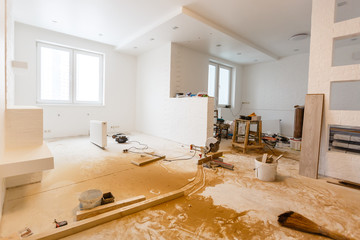
Home Remodeling

Home Remodeling Ideas: Creative Ways to Transform Your Home

Your home should feel like a place that works for your life, not a space that forces you to adapt to outdated layouts, limited storage, or worn finishes. Sometimes, even a few thoughtful changes can make an older home feel completely different. Other times, a larger renovation can transform several rooms and improve how the entire property functions. Home remodeling provides an opportunity to create spaces that are more comfortable, practical, attractive, and suited to changing needs. With careful planning and the right ideas, homeowners can make meaningful improvements without losing the character that makes their home feel personal. Visit Website for more details.

Create an Open and Functional Floor Plan

home remodeling

One of the most impactful home remodeling ideas is improving the layout. Older homes may have separate rooms that make the interior feel closed off or difficult to navigate. Removing or modifying certain walls can create a more open connection between living, dining, and kitchen areas. A more open arrangement can also allow natural light to travel farther throughout the home, making rooms feel brighter and more spacious.

However, an open floor plan should be designed around how the household actually uses the space. Completely removing walls is not always necessary or practical. Partial openings, wider doorways, or strategically placed partitions can provide some of the benefits of an open layout while maintaining useful separation. Before changing walls, homeowners should determine whether they are structural and consider the location of plumbing, wiring, and other important systems.

Upgrade the Kitchen for Better Functionality

The kitchen is often one of the most valuable areas to remodel because it plays such an important role in daily life. Updating cabinets, countertops, flooring, lighting, and appliances can create a noticeable transformation. Homeowners can also rethink the kitchen layout to make cooking, cleaning, and storage more convenient. Even a modest kitchen can become more functional with thoughtful organization and efficient use of available space.

Cabinet improvements can make a particularly strong visual impact. Existing cabinets may be refinished or painted if they remain structurally sound, while severely outdated units may be replaced. Adding better drawer storage, pull-out shelves, and specialized organizers can also make everyday tasks easier. Countertops and backsplashes can then be selected to complement the cabinetry and create a cohesive design.

Transform the Bathroom

Bathrooms can benefit from both cosmetic improvements and functional remodeling. Replacing an outdated vanity, upgrading the shower, installing new flooring, or improving lighting can make the room feel cleaner and more comfortable. A bathroom renovation can also address problems such as insufficient storage, poor ventilation, worn surfaces, and inefficient layouts.

For smaller bathrooms, space-saving design can make a major difference. Wall-mounted vanities, recessed storage, large mirrors, and glass shower enclosures can create the impression of greater openness. Light colors and carefully positioned lighting can further brighten the room. Larger bathrooms may have room for features such as a freestanding bathtub, spacious shower, double vanity, or additional storage.

Refresh the Living Room

The living room is often one of the most frequently used areas of a home, making it a good candidate for remodeling. Changing the flooring, lighting, wall finishes, built-in storage, or fireplace area can dramatically alter the atmosphere. A remodeled living room should provide enough space for comfortable seating while supporting activities such as relaxing, entertaining, reading, or watching television.

Built-in storage can be especially useful when remodeling a living room. Shelving and cabinets can provide places for books, electronics, decorative items, and other belongings while reducing visible clutter. The design should be carefully balanced so that storage does not overwhelm the room. A combination of closed cabinets and open shelving can provide both practical storage and opportunities for decoration.

Improve Bedroom Comfort and Storage

Bedrooms should provide a comfortable environment for rest and relaxation. Remodeling can improve the room through better lighting, flooring, storage, insulation, and layout. Built-in wardrobes or custom storage can make better use of available space while reducing the need for large standalone furniture.

Lighting is another important consideration. Layered lighting can provide general illumination while also allowing homeowners to create a softer atmosphere in the evening. Additional outlets and convenient switches can also improve functionality. Choosing calm colors and comfortable materials can help create a bedroom that feels peaceful and inviting.

Create a Dedicated Home Office

As work and study habits change, a dedicated home office can become a valuable addition. A spare bedroom, unused corner, or section of a larger room can sometimes be converted into a productive workspace. Built-in shelving, a comfortable desk, appropriate lighting, and organized storage can make the area more efficient.

A home office should be designed with both comfort and concentration in mind. Natural light can make the space feel more pleasant, while task lighting can reduce eye strain during detailed work. Cable management and concealed storage can help maintain a clean appearance. If the space needs to serve multiple purposes, flexible furniture can allow it to transition between work, study, and other activities.

Improve Entryways and Mudrooms

The entryway creates the first impression of a home and can also become one of its most functional areas. Remodeling this space can provide better storage for shoes, coats, bags, and everyday belongings. Built-in benches, hooks, cabinets, and shelving can help keep clutter under control.

A dedicated mudroom can provide even more storage when space allows. Durable flooring and easy-to-clean surfaces are particularly useful in areas that receive heavy daily traffic. Good lighting can also make the entryway safer and more welcoming. A well-designed entrance combines practical organization with a style that complements the rest of the home.

Upgrade Flooring Throughout the Home

Replacing old flooring is another effective remodeling idea. Worn carpet, damaged wood, outdated tile, or uneven surfaces can make an otherwise attractive home feel tired. New flooring can provide a consistent foundation for an updated interior design while improving durability and comfort.

The right flooring depends on the needs of each room. Durable surfaces may be appropriate for high-traffic areas, while softer materials can create a more comfortable feeling in bedrooms and living spaces. Homeowners should consider maintenance requirements, moisture exposure, household activity, and overall design when selecting flooring. Coordinating flooring across connected areas can also make the home feel more unified.

Add More Natural Light

Natural light can dramatically change the appearance of an interior. During remodeling, homeowners can consider ways to increase daylight through larger windows, additional openings, glass doors, or skylights where appropriate. More natural light can make rooms feel brighter and more spacious while reducing the need for artificial lighting during the day.

Window treatments should also be considered because they affect how much light enters a room. Light-filtering options can provide privacy while still allowing daylight into the space. Mirrors and reflective surfaces can further help distribute available light. A thoughtful approach to natural illumination can make remodeled rooms feel more open and welcoming.

Create Better Outdoor Living Spaces

Home remodeling does not have to stop at the interior. Outdoor areas can become extensions of the living space through the addition or improvement of patios, decks, covered seating areas, or outdoor kitchens. These spaces can provide areas for relaxing, dining, entertaining, or spending time with family.

Comfort should be considered when designing an outdoor living area. Shade, appropriate lighting, durable materials, and comfortable seating can make the space more useful. The design should also connect naturally with the interior of the home. Consistent colors and materials can create a smooth visual transition between indoor and outdoor spaces.

Upgrade Energy Efficiency

Remodeling can also provide an opportunity to improve energy efficiency. Better insulation, updated windows, improved ventilation, efficient lighting, and modern appliances can contribute to lower energy consumption and greater comfort. These improvements may not always create the most dramatic visual transformation, but they can provide long-term benefits.

Energy-efficient upgrades should be considered alongside the home’s existing systems. Improving insulation may help maintain more consistent indoor temperatures, while efficient windows can reduce unwanted heat transfer. Lighting upgrades can also improve illumination while using less energy. Combining practical efficiency improvements with cosmetic remodeling can make the investment more valuable.

Add Personalized Design Details

The best home remodeling projects reflect the personality and lifestyle of the people who live there. Personalized details can include custom cabinetry, unique lighting fixtures, accent walls, built-in shelving, distinctive hardware, or carefully selected decorative materials. These elements can make remodeled rooms feel more individual rather than generic.

Personalization should still be balanced with practicality. Design choices should be attractive but also easy to maintain and appropriate for everyday use. Homeowners should consider how the space may evolve over time as their needs change. A flexible design can provide room for future adjustments without requiring another major renovation.

Final Thoughts

Home remodeling offers countless opportunities to improve comfort, functionality, appearance, and long-term value. Whether the project focuses on a single room or involves several areas of the home, thoughtful planning is essential. Kitchen upgrades, bathroom improvements, better storage, updated flooring, brighter interiors, outdoor living spaces, and energy-efficient features can all contribute to a more enjoyable home. The most successful remodeling ideas are those that combine personal style with practical solutions for everyday life. By understanding the needs of the household and planning each improvement carefully, homeowners can create a home that feels more comfortable, functional, and welcoming for years to come.