A roof is one of the most important components of any home or commercial building. It serves as the first line of defense against rain, wind, sunlight, temperature fluctuations, and other environmental conditions. Despite its durability, every roof experiences wear and tear over time. Exposure to the elements, aging materials, improper installation, and unexpected damage can all contribute to roofing problems that require professional Diamond Roofing and Construction attention. Understanding the roof repair process is essential for property owners because it helps them make informed decisions, recognize warning signs early, and appreciate the value of timely maintenance.
Many people assume roof repair simply involves replacing a few damaged shingles or sealing a visible leak. In reality, the process is often much more comprehensive. Effective roof repair requires a systematic approach that begins with inspection and diagnosis, continues through planning and material selection, and concludes with thorough testing and quality assurance. Every stage plays a critical role in restoring the roof’s integrity and ensuring long-term protection for the structure beneath it.
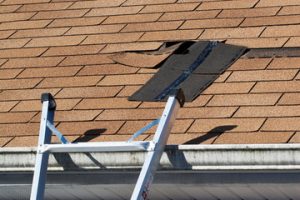
The roof repair process typically begins when a problem becomes noticeable. Water stains on ceilings, missing shingles, sagging areas, mold growth, or visible exterior damage often serve as warning signs that the roofing system requires attention. However, some roofing issues remain hidden for months or even years before they become apparent inside the building. This is one reason why regular inspections are considered an important part of roof maintenance. Early detection often leads to simpler and more affordable repairs while preventing more extensive structural damage.
Once a roofing concern has been identified, the first official step is a detailed inspection. A thorough roof inspection involves evaluating both the exterior roofing materials and the underlying structural components. Roofing professionals examine shingles, flashing, vents, gutters, drainage systems, and roof penetrations to identify signs of deterioration or damage. The goal is not simply to locate visible problems but to determine the root cause of the issue. A leak, for example, may appear in one location while originating from an entirely different section of the roof.
Inspection findings help establish the scope of the repair project. Some problems may require only localized repairs, while others indicate broader issues affecting larger portions of the roofing system. Understanding the extent of damage is critical because it influences repair methods, material requirements, labor needs, and project timelines. Accurate assessment prevents unnecessary work while ensuring that all affected areas receive appropriate attention.
One of the most important aspects of the inspection stage is identifying hidden damage. Roofing systems consist of multiple layers that work together to protect the structure. While surface materials often receive the most attention, problems can also occur within underlayment layers, decking, insulation, and structural supports. Water infiltration can weaken these components over time, creating issues that may not be immediately visible from the surface. Comprehensive inspections help uncover these hidden concerns before repairs begin.
After the inspection is completed, the next step involves developing a repair strategy. This stage focuses on determining the most effective solution for the identified problems. The repair plan takes into account the age of the roof, the condition of existing materials, budget considerations, and long-term performance goals. In some cases, isolated repairs may be sufficient. In others, more extensive restoration efforts may be necessary to ensure reliable protection.
To better understand the early stages of roof repair, the process typically includes:
- Identifying visible signs of damage such as leaks, missing materials, or structural concerns.
- Conducting a detailed inspection to determine the cause and extent of the problem.
- Evaluating hidden damage within underlying roofing components.
- Developing a repair plan based on current conditions and future performance needs.
These initial steps establish the foundation for a successful repair project and help ensure that solutions address the root causes of roofing issues rather than merely treating symptoms.
Material selection is another important phase of the roof repair process. Roofing materials must be compatible with the existing roof system while providing durability and long-term performance. Factors such as weather resistance, lifespan, maintenance requirements, and appearance all influence material choices. Matching existing roofing materials can also help preserve the visual consistency of the structure. Careful material selection ensures that repaired areas integrate seamlessly with surrounding sections and perform effectively under similar environmental conditions.
Before repair work begins, the site is prepared to ensure safety and efficiency. Roofing projects involve elevated work areas, specialized equipment, and potentially hazardous conditions. Proper safety measures are essential to protect workers, occupants, and surrounding property. Site preparation may include securing work zones, protecting landscaping, positioning equipment, and establishing debris containment measures. A well-organized work area contributes to smoother project execution and reduces the risk of accidents.
The repair phase itself varies depending on the nature and severity of the damage. Minor repairs may involve replacing damaged shingles, resealing flashing, repairing vents, or addressing localized leaks. More extensive projects could require replacing sections of underlayment, reinforcing structural components, or repairing damaged roof decking. Throughout the process, damaged materials are carefully removed and replaced with new components designed to restore the roof’s protective capabilities.
One common aspect of roof repair involves addressing flashing issues. Flashing is installed around roof penetrations, valleys, chimneys, and other vulnerable areas to direct water away from critical joints. Over time, flashing can deteriorate, loosen, or become damaged, allowing moisture to enter the roofing system. Repairing or replacing flashing is often a key component of leak prevention and long-term roof performance.
Another important focus during repairs is maintaining proper drainage. Water accumulation can significantly reduce the lifespan of a roofing system and contribute to structural deterioration. Contractors inspect gutters, downspouts, and drainage pathways to ensure that water flows away from the roof efficiently. Any obstructions or deficiencies are addressed to improve water management and reduce the risk of future problems.
Roof decking may also require attention during certain repair projects. The decking serves as the structural foundation beneath roofing materials. If moisture has penetrated the roof system, sections of decking may become weakened, warped, or decayed. Damaged decking must be repaired or replaced before new roofing materials can be installed. Failing to address compromised structural components can undermine the effectiveness of the entire repair effort.
Once major repairs have been completed, attention shifts to restoring weather resistance. Roofing systems rely on multiple layers of protection working together to prevent water intrusion. Replacement materials, underlayment, sealants, and flashing must be installed correctly to ensure a watertight seal. Precision during this stage is essential because even small installation errors can create vulnerabilities that lead to future leaks.
Several key activities typically occur during the active repair phase:
- Removal of damaged roofing materials and compromised structural components.
- Repair or replacement of flashing, underlayment, and decking where necessary.
- Installation of new roofing materials that match existing systems.
- Restoration of drainage and weatherproofing features to ensure long-term performance.
These activities work together to restore the roof’s structural integrity and protective function.
Quality control is a critical part of the roof repair process. Once repairs are complete, the work must be thoroughly inspected to verify that all issues have been addressed correctly. This includes checking material installation, seal integrity, flashing placement, drainage performance, and overall workmanship. Quality assurance inspections help identify any remaining concerns before the project is finalized.
Testing may also be performed to confirm that repaired areas perform as intended. Water testing can help verify that vulnerable areas remain watertight under simulated weather conditions. These evaluations provide additional confidence that repairs have successfully resolved the original problem and reduced the likelihood of future issues.
Cleanup is another important step that should not be overlooked. Roofing repairs often generate debris, old materials, fasteners, and packaging waste. Thorough cleanup helps restore the property to its original condition while ensuring safety for occupants and visitors. Professional cleanup also reflects attention to detail and overall project quality.
After repairs are completed, ongoing maintenance becomes essential for preserving roof performance. Even a well-repaired roof benefits from regular inspections and preventative care. Routine maintenance allows property owners to identify emerging issues early and address them before they develop into major problems. Maintenance activities may include debris removal, gutter cleaning, visual inspections, and periodic evaluations following severe weather events.
Long-term roof performance depends not only on repair quality but also on continued care. Preventative maintenance can significantly extend the lifespan of roofing materials while reducing the frequency and cost of future repairs. Property owners who adopt a proactive approach often experience fewer emergencies and better overall roof performance over time.
In conclusion, the roof repair process involves far more than patching visible damage. It is a comprehensive procedure that begins with inspection and diagnosis, progresses through planning and material selection, and concludes with repairs, testing, and ongoing maintenance. Each stage plays a vital role in restoring the roof’s ability to protect the structure from environmental exposure. By understanding how the roof repair process works, property owners can make informed decisions, address issues promptly, and help ensure the long-term durability of one of their most valuable investments. A properly repaired roof not only improves structural protection but also contributes to the overall safety, efficiency, and value of the property for years to come.