A kitchen remodel is one of the most impactful home improvement projects because it directly affects how a home is used every single day. Unlike purely aesthetic upgrades, kitchen remodeling combines functionality, efficiency, safety, and design into a single coordinated effort. This makes the planning and design phase especially important, as decisions made at the beginning determine not only the final appearance but also the long-term usability of the space. A well-planned kitchen remodel reduces waste, avoids costly mistakes, and ensures that the finished space aligns with both lifestyle needs and practical cooking requirements.
The planning stage begins with a clear assessment of the existing kitchen and a realistic understanding of what is working and what is not. Many kitchens suffer from issues such as inefficient layouts, insufficient storage, poor lighting, or outdated appliances that no longer meet modern usage demands. Before making any design decisions, it is essential to evaluate how the space is currently used daily. This includes observing cooking habits, traffic flow, storage patterns, and problem areas where inconvenience occurs. A successful remodel is not just about replacing old materials but about improving the overall experience of using the kitchen. Connect with J&R Construction for reliable help.
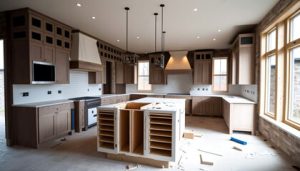
Once the current limitations are identified, the next step is to define clear goals for the remodel. These goals should be specific and prioritized, rather than vague ideas about improvement. For example, increasing storage capacity, improving workflow efficiency, enhancing lighting conditions, or creating an open-concept layout are all valid objectives, but they must be ranked according to importance. Without prioritization, it becomes easy for the project to expand uncontrollably, leading to budget strain and design confusion. A focused set of goals helps guide every decision that follows, from layout selection to material choices.
Budget planning is another essential component of the early stage. A kitchen remodel can vary widely in cost depending on the scope of work, quality of materials, and level of structural change involved. Establishing a structured budget ensures that expectations remain realistic throughout the process. A well-balanced budget typically includes allocations for cabinetry, countertops, appliances, labor, plumbing and electrical work, flooring, lighting, and a contingency reserve for unexpected issues. It is important to recognize that hidden problems often emerge during renovation, particularly in older kitchens where outdated systems may need upgrading.
To better organize the planning phase, it helps to break it down into key foundational elements:
- Functional assessment of the existing kitchen, identifying inefficiencies and limitations in layout and usability.
- Goal setting and prioritization, ensuring that essential improvements are clearly defined before design begins.
- Budget structuring with allocated percentages for materials, labor, systems, and contingency reserves.
- Lifestyle analysis, considering how cooking, storage, and social interaction occur within the space.
Each of these elements ensures that the planning process is grounded in practical reality rather than purely visual inspiration.
Once planning is established, the design phase begins, which translates functional goals into spatial solutions. Kitchen design is not simply about appearance; it is about optimizing movement, accessibility, and efficiency. One of the most important principles in kitchen design is workflow organization, often centered around key functional zones such as preparation, cooking, cleaning, and storage. A well-designed kitchen minimizes unnecessary movement between these zones, allowing tasks to be completed more efficiently and comfortably.
The concept of layout plays a central role in kitchen design. Common layout types include L-shaped, U-shaped, galley, and open-plan configurations, each offering different advantages depending on the available space and intended use. The choice of layout should be driven by the shape of the room, structural limitations, and desired functionality rather than aesthetic preference alone. For example, smaller spaces often benefit from galley layouts that maximize efficiency, while larger spaces may support island-based designs that encourage social interaction and multi-purpose use.
Storage design is another critical aspect of kitchen planning. Inadequate storage is one of the most common issues in kitchens, and addressing it requires more than simply adding cabinets. Effective storage design considers accessibility, organization, and space optimization. Deep drawers, pull-out shelves, vertical storage systems, and corner solutions all contribute to maximizing usable space. Thoughtful storage planning reduces clutter and improves workflow efficiency by ensuring that frequently used items are easily accessible.
Material selection becomes increasingly important during the design phase, as it influences both aesthetics and durability. Kitchen surfaces must withstand heat, moisture, frequent cleaning, and daily wear. Countertops, cabinetry, flooring, and backsplash materials should be chosen not only for visual appeal but also for long-term performance. For example, some materials offer high resistance to scratches and stains, while others provide a more natural aesthetic but require additional maintenance. Balancing these factors is essential to achieving a kitchen that remains functional and visually appealing over time.
Lighting design is often underestimated during kitchen planning, yet it has a significant impact on both functionality and atmosphere. A well-designed kitchen incorporates multiple layers of lighting, including ambient lighting for general illumination, task lighting for work areas, and accent lighting for visual enhancement. Proper lighting placement ensures that countertops, cooking areas, and storage spaces are clearly visible, reducing strain and improving safety during food preparation. Natural light should also be considered wherever possible, as it enhances both visual comfort and energy efficiency.
To further refine the design process, it is useful to consider structured design priorities such as:
- Workflow efficiency, ensuring that movement between key kitchen zones is smooth and logical.
- Storage optimization, maximizing capacity while maintaining accessibility and organization.
- Lighting balance, combining natural and artificial sources to improve visibility and ambiance.
- Material durability, selecting surfaces that can withstand daily use while maintaining aesthetic quality.
These priorities help ensure that design decisions remain focused on long-term functionality rather than short-term visual trends.
Appliance planning is another essential part of kitchen design. Modern kitchens often incorporate multiple appliances that must be integrated seamlessly into the layout. The size, placement, and energy requirements of appliances should be considered early in the design phase to avoid spatial conflicts later. Built-in appliances can help create a more streamlined appearance, while standalone units may offer flexibility. It is also important to ensure that appliances are positioned in a way that supports efficient workflow and minimizes unnecessary movement during use.
Ventilation and air circulation are also important design considerations that are often overlooked. Proper ventilation ensures that heat, moisture, and cooking odors are effectively managed, contributing to a more comfortable and hygienic environment. Range hoods, exhaust systems, and natural airflow pathways should all be incorporated into the design plan. Without adequate ventilation, even a well-designed kitchen can become uncomfortable and less functional over time.
Another key aspect of kitchen design is spatial balance and visual harmony. A well-designed kitchen should feel cohesive, with consistent materials, colors, and proportions. Overloading the space with too many contrasting elements can create visual clutter, especially in smaller kitchens. Instead, a balanced approach that combines complementary colors, textures, and finishes helps create a unified and calming environment. The goal is to achieve a space that is both functional and visually coherent.
Flexibility is also an important consideration in modern kitchen design. As household needs change over time, kitchens should be adaptable enough to accommodate different uses. This may include multi-functional islands, movable storage units, or adjustable shelving systems. Designing with flexibility in mind ensures that the kitchen remains useful and relevant even as lifestyles evolve.
In conclusion, planning and designing a kitchen remodel requires a careful balance of functionality, efficiency, and aesthetics. It is a process that begins with understanding current limitations and defining clear goals, followed by structured budgeting and thoughtful design development. Every decision, from layout and storage to lighting and materials, contributes to the overall success of the project. When approached with careful planning and attention to detail, a kitchen remodel can transform an ordinary space into a highly efficient, comfortable, and visually appealing environment that enhances daily living for years to come.