Kitchen cabinets are among the hardest working features in any home. They are opened and closed countless times every day, exposed to grease, steam, moisture, fingerprints, and the occasional accidental bump from cookware or utensils. Because of this constant use, many homeowners wonder whether cabinet refinishing can truly stand the test of time or if replacement is the only long-term solution. The good news is that a properly refinished cabinet can remain attractive and durable for many years when the right preparation, materials, and maintenance practices are used. Understanding what affects the durability of San Jose Cabinet Refinishing helps homeowners make confident decisions while protecting one of the most noticeable features in their kitchen.
What Is Cabinet Refinishing?
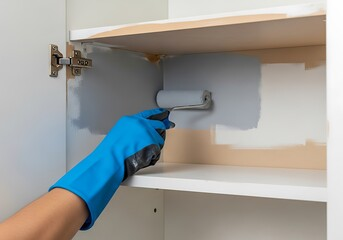
Cabinet refinishing is the process of restoring the appearance of existing cabinets without replacing the cabinet boxes or changing the overall layout of the kitchen. Instead of installing entirely new cabinetry, the existing cabinet surfaces are carefully cleaned, prepared, and coated with new finishes that improve both appearance and protection. This approach allows homeowners to modernize outdated cabinets while preserving cabinets that remain structurally sound. Refinishing focuses on enhancing the visible surfaces while extending the useful life of the cabinetry.
Unlike cabinet replacement, refinishing makes use of the existing framework, reducing both renovation time and material waste. The process is especially effective for cabinets that have become faded, scratched, or visually outdated but still function properly. Because the cabinet structure remains intact, homeowners can enjoy a dramatic visual transformation without the disruption of a complete kitchen remodel. A well-executed refinishing project combines cosmetic improvement with long-term practicality.
How Long Does Cabinet Refinishing Typically Last?
The durability of cabinet refinishing depends on several factors, including the quality of preparation, the condition of the cabinets, the materials used during refinishing, and the way the cabinets are maintained afterward. In many homes, professionally refinished cabinets can maintain their appearance for well over a decade when they receive proper care. Since kitchens experience daily wear, it is normal for cabinets to develop minor signs of use over time, but a durable finish continues protecting the surface even with regular activity. Longevity is closely tied to how well the refinishing process is completed from the very beginning.
Daily household habits also influence how long refinished cabinets remain in excellent condition. Kitchens with heavy cooking activity naturally expose cabinets to greater amounts of grease, moisture, and frequent handling. Homes with young children may experience additional wear from constant opening and closing of cabinet doors. Even under these conditions, refinished cabinets can continue looking attractive when cleaned regularly and treated with reasonable care. Consistent maintenance helps preserve both appearance and performance throughout the life of the finish.
What Factors Affect the Durability of Cabinet Refinishing?
Proper surface preparation is one of the most important factors affecting durability. Cabinets naturally accumulate cooking oils, grease, dust, and cleaning product residue over many years of use. If these contaminants are not removed thoroughly before refinishing begins, the new finish may not bond properly to the existing surface. Careful cleaning and preparation create a stable foundation that allows the finish to adhere securely. Strong adhesion significantly reduces the likelihood of peeling, chipping, or premature wear.
The condition of the existing cabinets also plays an important role. Cabinets that remain structurally sound with secure doors and stable surfaces generally provide an excellent foundation for refinishing. On the other hand, cabinets affected by severe water damage, loose joints, swelling, or structural deterioration may experience reduced durability even if the finish itself performs well. Evaluating the condition of the cabinetry before refinishing helps establish realistic expectations. A strong cabinet structure supports a longer-lasting finished result.
Can Refinished Cabinets Handle Everyday Kitchen Use?
Refinished cabinets are designed to withstand the normal demands of everyday kitchen life. Opening and closing doors, handling drawers, preparing meals, and cleaning surfaces are all routine activities that properly refinished cabinets are expected to endure. Modern refinishing systems are developed to provide durable protective coatings that resist ordinary household wear while maintaining an attractive appearance. Although no finish is completely immune to damage, refinished cabinets perform well under normal residential use.
Certain areas naturally experience greater wear than others. Cabinet doors beneath sinks, drawers used for utensils, and cabinets surrounding cooking appliances often receive more frequent handling and greater exposure to moisture or grease. Even so, these high-use areas can remain attractive for many years when cleaned regularly and used responsibly. Avoiding unnecessary impacts and handling cabinets with care contributes to longer-lasting performance. Daily habits often influence durability just as much as the refinishing materials themselves.
How Can Homeowners Make Refinished Cabinets Last Longer?
Routine cleaning is one of the simplest ways to preserve refinished cabinets. Dust, cooking residue, grease, and fingerprints should be removed regularly using soft cloths and gentle cleaning products. Abrasive scrubbers and harsh chemical cleaners should be avoided because they may gradually wear away the protective finish. Consistent cleaning prevents buildup that could eventually dull the cabinet surface. Gentle maintenance helps preserve both appearance and durability over many years.
Moisture control is equally important because kitchens naturally generate humidity from cooking, dishwashing, and everyday use. Water spills should be wiped away promptly, particularly around sinks, dishwashers, and countertops where cabinets are exposed to frequent moisture. Good ventilation during cooking also helps reduce prolonged exposure to steam. Homeowners should avoid allowing standing water to remain on cabinet surfaces because excessive moisture may eventually affect both the finish and the cabinet material beneath it. Simple preventive habits contribute significantly to long-term durability.
Is Cabinet Refinishing More Durable Than Cabinet Painting?
Although the terms are sometimes used interchangeably, cabinet refinishing generally involves a more comprehensive process than simply applying a new coat of paint. Refinishing emphasizes careful surface preparation, repair of imperfections when necessary, and the application of finishes designed specifically for cabinetry. This thorough approach often results in stronger adhesion and improved durability compared with projects where paint is applied without adequate preparation. The additional attention given during refinishing helps create a finish capable of withstanding everyday kitchen conditions.
The success of either process ultimately depends on the quality of the preparation and application rather than the name used to describe the project. Cabinets that receive proper cleaning, careful preparation, and suitable finishing materials generally perform better over time than projects completed without sufficient attention to detail. Regardless of terminology, investing time in preparation usually has the greatest impact on long-term durability. A well-executed refinishing project provides lasting protection alongside improved appearance.
When Should Cabinets Be Refinished Instead of Replaced?
Refinishing is often the ideal solution when cabinets remain structurally sound but have become outdated or cosmetically worn. Scratches, fading, minor surface imperfections, and aging finishes can often be corrected successfully without replacing the cabinet boxes. Homeowners who are satisfied with the existing kitchen layout frequently choose refinishing because it allows them to modernize the room while preserving functional cabinetry. This approach combines visual improvement with efficient use of existing materials.
Replacement becomes more appropriate when cabinets have experienced severe structural damage, widespread water deterioration, or significant design limitations that refinishing cannot solve. If cabinet boxes are unstable or storage needs require a completely different layout, installing new cabinetry may provide greater long-term value. Carefully evaluating both the condition of the cabinets and future renovation goals helps determine which option offers the most practical solution. Making the right choice ensures homeowners receive the greatest benefit from their investment.
Final Thoughts
Cabinet refinishing is a durable and practical solution for homeowners who want to refresh their kitchen without replacing structurally sound cabinetry. When surfaces are prepared properly, high-quality finishing materials are used, and routine maintenance becomes part of everyday care, refinished cabinets can maintain their beauty and performance for many years. Their ability to withstand daily use makes refinishing an attractive option for busy households seeking long-lasting results at a lower cost than complete replacement. By understanding the factors that influence durability and caring for refinished cabinets properly, homeowners can enjoy an updated kitchen that remains attractive, functional, and valuable well into the future.
